They Lied to You About Recovery.
This is the Honest Verdict on the “Tissue Repair” Stack — And the 3 Safety Shields You Need to Lock in Your Recovery.
BPC-157 works through several mechanisms to accelerate the body's natural healing cycle. While painkillers hide pain and cortisone weakens tissue, BPC-157 works at the cellular level to synthesise collagen, promote angiogenesis, and repair sprains, tendonitis, and muscle tears. Discover the Genix science-backed protocol designed to speed recovery and restore structural health.
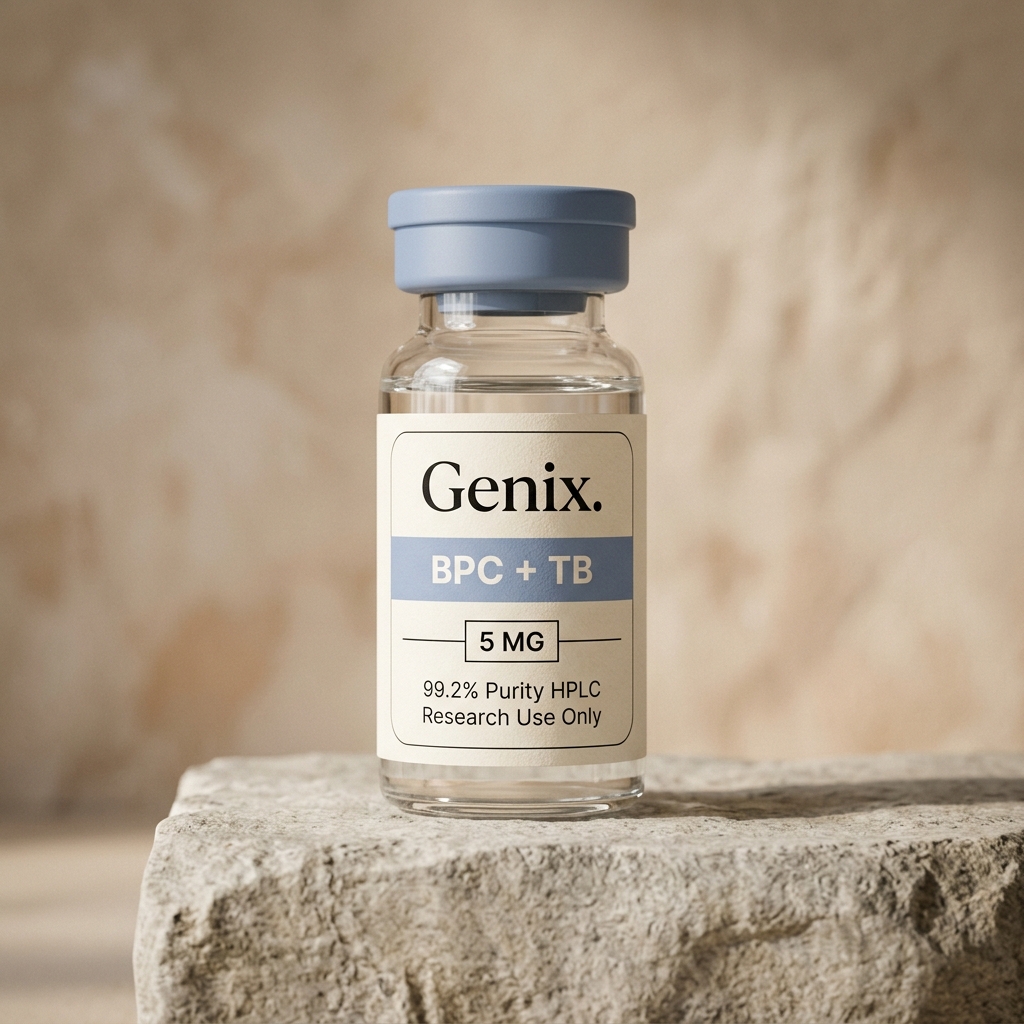
- Type
- Recovery peptide
- How
- Daily subcutaneous injection
- Length
- 4–8 day active cycles
- Clinical result
- Collagen synthesis & cell migration
- Safety status
- Strict Safety Protocol
Why are clinical-grade tissue repairs masked behind traditional pain management?
Traditional sports medicine defaults to anti-inflammatory pills (NSAIDs) or cortisone injections. NSAIDs cause gastrointestinal damage and delay muscle regeneration. Cortisone offers brief pain relief while permanently weakening and degrading the surrounding collagen fibers, risking future tears.
This cycle of temporary patches has forced athletes and high-performers to procure untested peptides from shady online research chemical storefronts. They buy degraded powders manufactured overseas, risking structural contamination and systemic immune reactions.
At Genix, we bypass the NSAID trap and the grey-market risks by offering a safe, provider-supervised protocol with 100% verified, clinical-grade BPC-157 compounding partners.

How BPC-157 Rebuilds Soft Tissue from Within.
Tendon and ligament tissue naturally receive very poor blood flow. This is why joint injuries take months or years to heal. The BPC-157 protocol forces cellular activity and vascular growth at the injury site.

BPC-157 upregulates growth factor receptors (such as VEGFR) to stimulate angiogenesis—the formation of new blood vessels. By bringing blood flow to oxygen-starved joints, it speeds up the rate of tissue healing.
Tendons and ligaments are made of collagen. BPC-157 accelerates the growth of fibroblasts, which synthesize collagen, building back the physical scaffolding of damaged ligaments and resolving chronic tendonitis.
BPC-157 also supports cell migration, helping repair cells reach the site of injury, clear out chronic inflammation, and rebuild full range of motion in the joint.
The chronic structural issues holding back your physical baseline.
Tendon and joint degradation operates as a silent baseline drain. We construct our cycling recovery protocol to address structural issues at their roots.
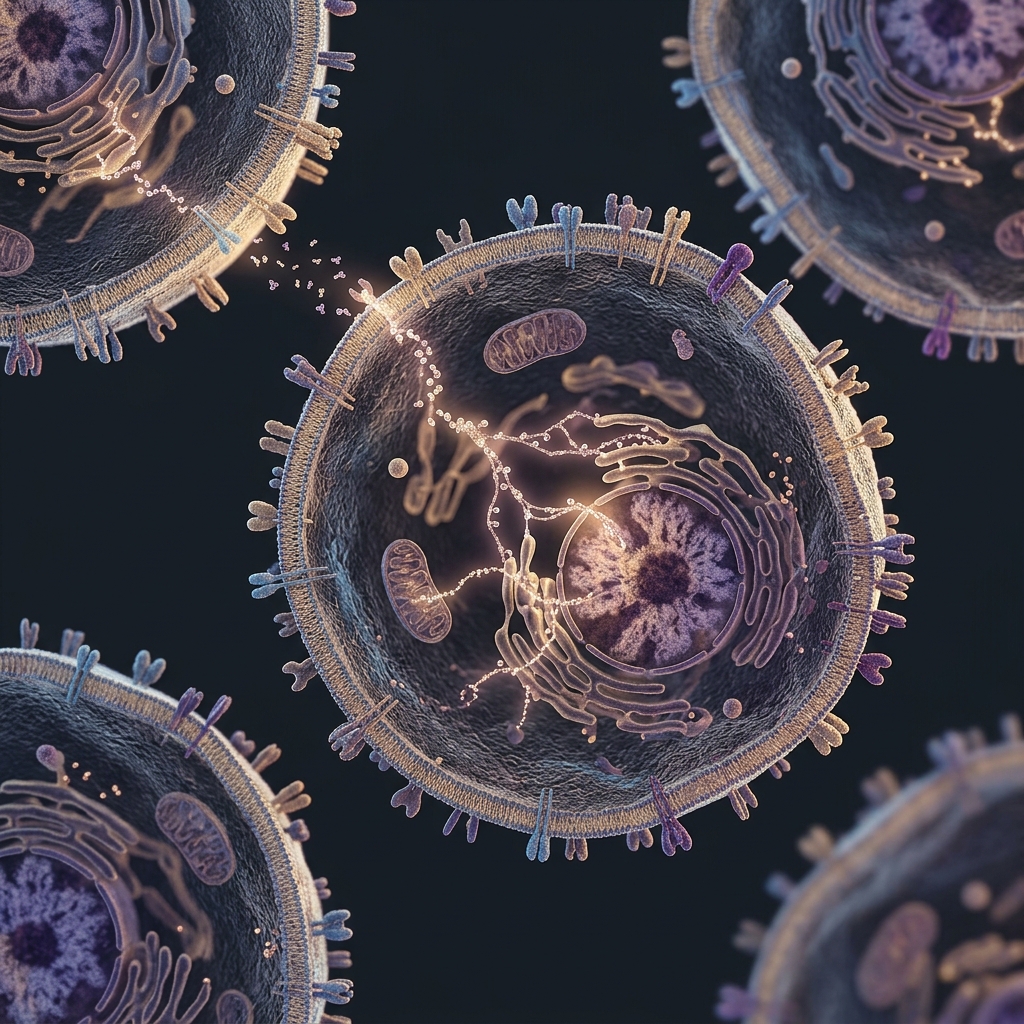
Crisis 1: Poor Soft-Tissue Blood Flow
Unlike muscles, connective tissue (tendons, ligaments, cartilage) is white-tissue, receiving almost no blood flow. Once injured, it enters a dormant state of chronic inflammation. BPC-157 bypasses this limitation by building new microvascular pathways (angiogenesis) to deliver oxygen and building blocks directly to the injury.
Crisis 2: Collagen Matrix Collapse
Chronic loading without proper recovery causes microvascular damage and micro-tears in the tendon's collagen matrix. Left untreated, it leads to chronic tendonitis. BPC-157 stimulates rapid fibroblasts to synthesize collagen and build link scaffolding, hardening soft tissue against physical strain.
Science-Backed Active Recovery System.
We don't believe in masking pain. The Genix Recovery Protocol is built around three clinical shields to protect your cells, verify quality, and restore full range of motion.

1. Precise Oncology Screening
Peptides that stimulate vascular growth (angiogenesis) are highly effective for healing, but are strictly contraindicated if cancer cells are present. We run a complete medical screening before approving the protocol.
2. Verified Potency
Healing requires both vascular growth and collagen synthesis. We use clinical-grade BPC-157, dosed to address both mechanisms, ensuring tendons heal flat and flexible rather than thick and scarred.
3. Certified Cold-Chain Sourcing
We eliminate the risks of online research chemical vendors. You receive 100% verified, pharmacy-compounded BPC-157 kept inside a validated cold chain, preserving peptide structural integrity.
Supervised Protocol for Joint and Tissue Longevity.
Our cycling schedule ensures your joints heal flat and flexible, preventing scar-tissue restriction and building structural resilience.
- Phase 1Loading & ReliefDaily micro-dose sub-Q (evening)Inflammation drops. Joint swelling and resting pain decrease. Vascular networks begin forming. Stay hydrated.
- Phase 2Active SynthesisTendon & collagen synthesisFibroblast activity peaks. Collagen synthesis actively repairs micro-tears in tendons and ligaments under strict safety guidelines.
- Phase 3ConsolidationStructural tissue hardeningConnective tissue strengthens and adapts. Full range of motion returns. Structural tissue hardening prepares body for loading.
- Phase 4Wind Down & LoadGradual return to trainingInjections end. Receptors reset. Progressive loading of the healed joint begins with physical therapist co-management.
| Protocol Phase | Timeline | Target Dosing | Clinical Objective |
|---|---|---|---|
| 1. Loading & Relief | Weeks 1–2 | 500 mcg daily | Control local inflammation, drop joint swelling, and initiate angiogenesis. |
| 2. Active Synthesis | Weeks 3–6 | 500 mcg daily | Accelerate fibroblasts to synthesize collagen and repair micro-tears. |
| 3. Consolidation | Weeks 7–8 | 250 mcg daily | Consolidate new collagen fibers and prepare joint for training load. |
| 4. Receptor Rest | Weeks 9+ | No dose | Let receptors reset. Return to full training load with healed tissue. |
What to Expect: The First 14 Days on the BPC-157 Recovery Protocol.
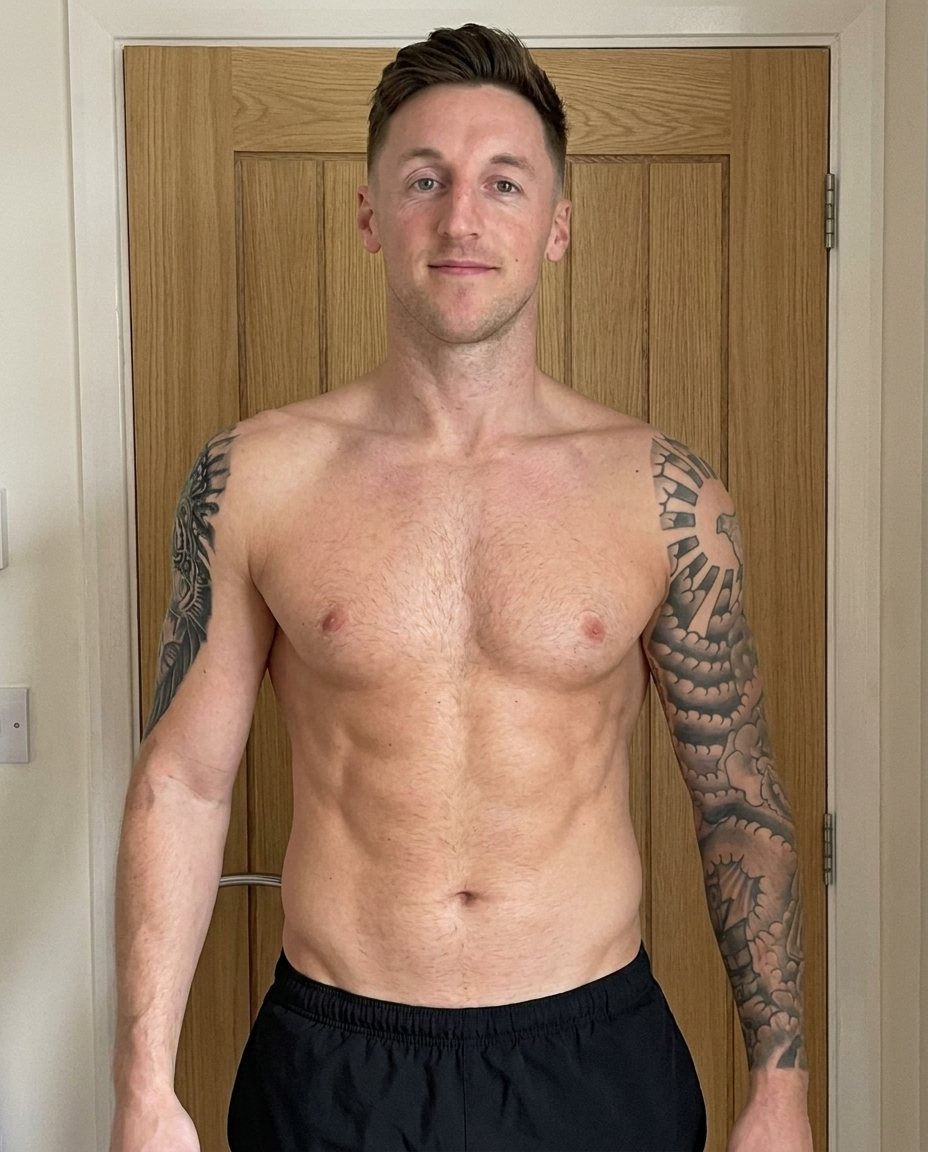
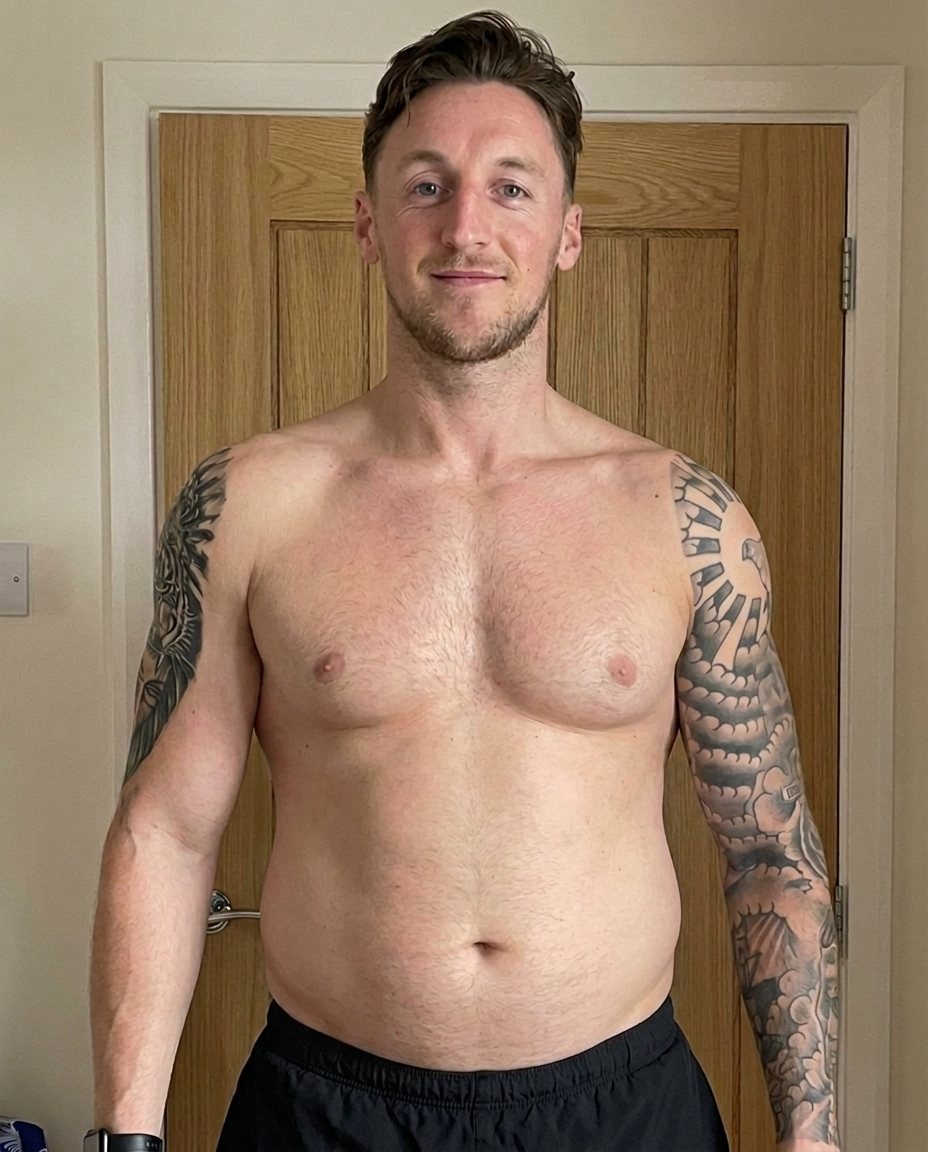
We followed 34-year-old active professional Alex during his first two weeks on our recovery program:
Alex reports that the throbbing pain in his elbow has decreased. Localized joint swelling has dropped by roughly 40%. Rest comfort improves.
Alex reports gaining full extension in his elbow joint without catching. Morning stiffness is cut in half. He continues daily progressive loading exercises.
Alex is cleared to return to light lifting. His grip strength has returned to baseline. Ultrasound imaging confirms active tissue vascularization and collagen synthesis.

Real Science. Peer-Reviewed Citations.
We believe in clinical proof. Here is what research journals report about the tissue-healing mechanisms of BPC-157.
Upregulation of Growth Factor VEGF
"BPC-157 accelerates healing by upregulating VEGFR2 expression, inducing rapid vascularization (angiogenesis) to deliver vital repair nutrients to white-tissue joint sites."
Systemic Tissue Cytoprotection
"BPC-157 demonstrated broad cytoprotective effects, accelerating the healing of muscle, tendon, and ligament injuries while supporting the migration of repair cells to the wound edge."
Fibroblast Collagen Synthesis
"Administration of BPC-157 promoted the ex vivo growth of tendon fibroblasts, showing significantly enhanced cell migration and collagen matrix synthesis crucial for tendon repair."
What people ask before starting.
BPC-157 is a 15-amino acid peptide derived from human gastric juice, renowned for upregulating growth factor receptors (such as VEGFR) to promote blood vessel formation (angiogenesis) and trigger rapid tendon, ligament, and muscle cell regeneration. It also supports the cell migration and reduced inflammation that wound healing depends on, working to rebuild damaged tissues from within.
NSAIDs and oral painkillers simply mask the pain while actually delaying soft-tissue healing and damaging your stomach lining. Cortisone shots reduce inflammation temporarily but actively degrade and weaken collagen fibers over time. BPC-157 does the exact opposite: it addresses the root cause of tissue degradation by physically stimulating new collagen fibers, vascular networks, and cellular repair. It rebuilds the foundation rather than masking the collapse.
Because BPC-157 promotes vascular growth (angiogenesis), it is strictly contraindicated for individuals with active or family histories of oncological conditions. We perform a complete clinical review before opening the program to you. Additionally, we enforce precise cycling (usually 4 to 8 weeks) to prevent receptor desensitization.
Most patients notice a significant reduction in local inflammation, joint swelling, and resting soreness within the first 7 to 10 days of administration. Rebuilding chronic structural damage (like tendonitis or ligament tears) is a cellular maturation process that shows measurable functional changes by week 4.
It is administered via tiny subcutaneous injections using microscopic insulin-grade needles, usually daily or weekly depending on the severity of the injury. Your provider will guide you through the process, and we provide detailed tutorials on proper sanitary administration.
Side effects are rare and mild. The most common is mild redness at the injection site, which quickly fades. Some patients report mild, temporary fatigue in the first 3 days of starting the loading cycle as cellular metabolic activity increases.
Stop guessing with your recovery. Book your joint assessment & consultation today.
Start with a free WhatsApp chat. Ask us anything — which peptide fits your goal, lab reports, or shipping to your country. No pressure. No spam.