Recovery & Repair Peptides
How peptides like BPC-157 are studied for joints, tendons, and gut repair.
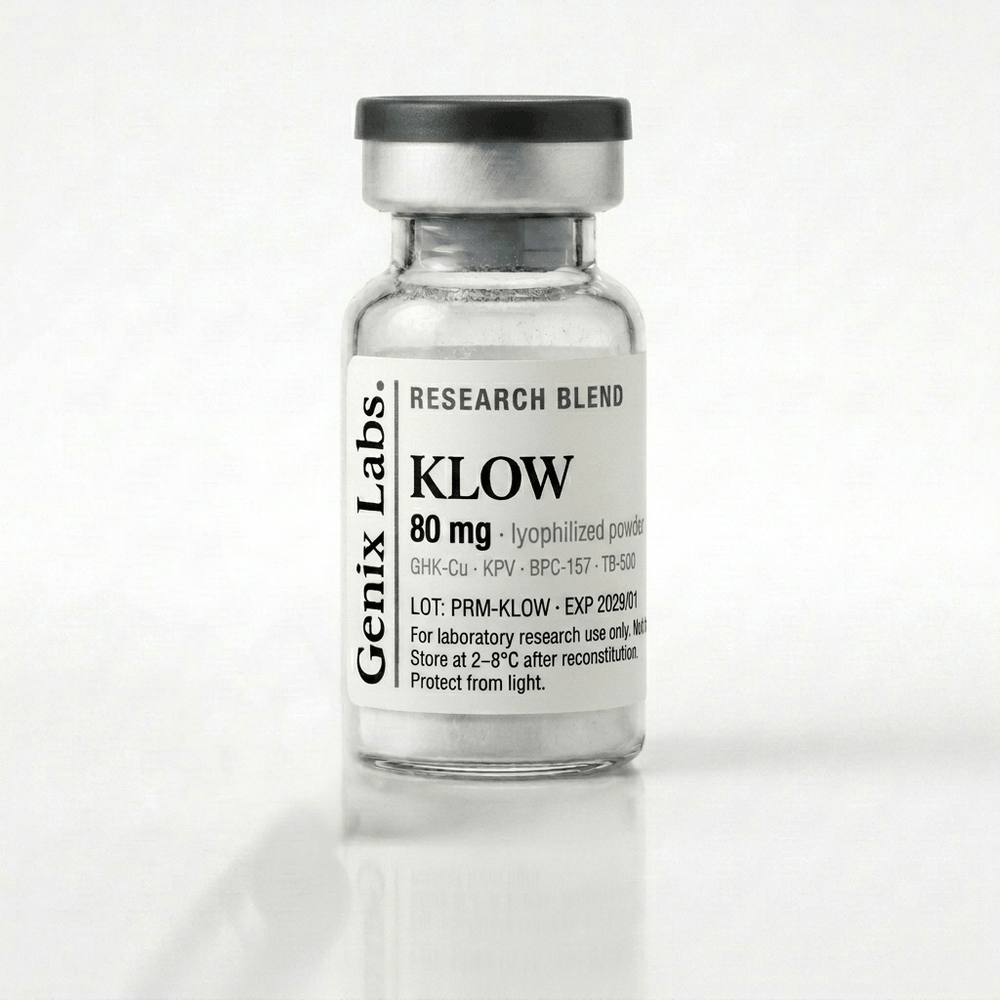
When an injury keeps coming back, repair peptides are what people look at. This guide covers BPC-157, TB-500, and the KLOW blend, in plain words. Research use only.
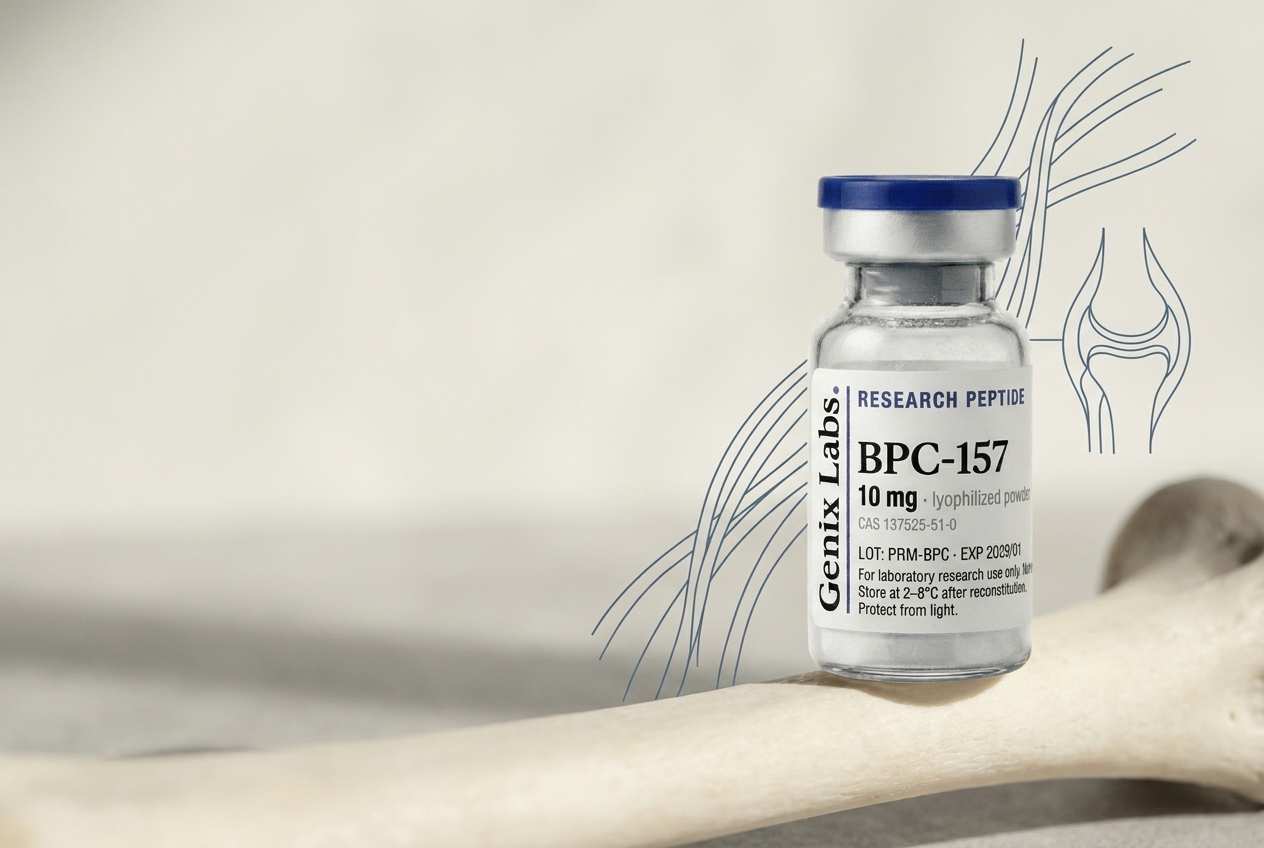
Guides on recovery & repair

BPC-157 and TB-500 Stack: How the Pairing Works
The most common recovery pairing in peptide research, explained properly. Why the two are combined, how a blend vial differs from two separate vials, and what the literature actually supports.
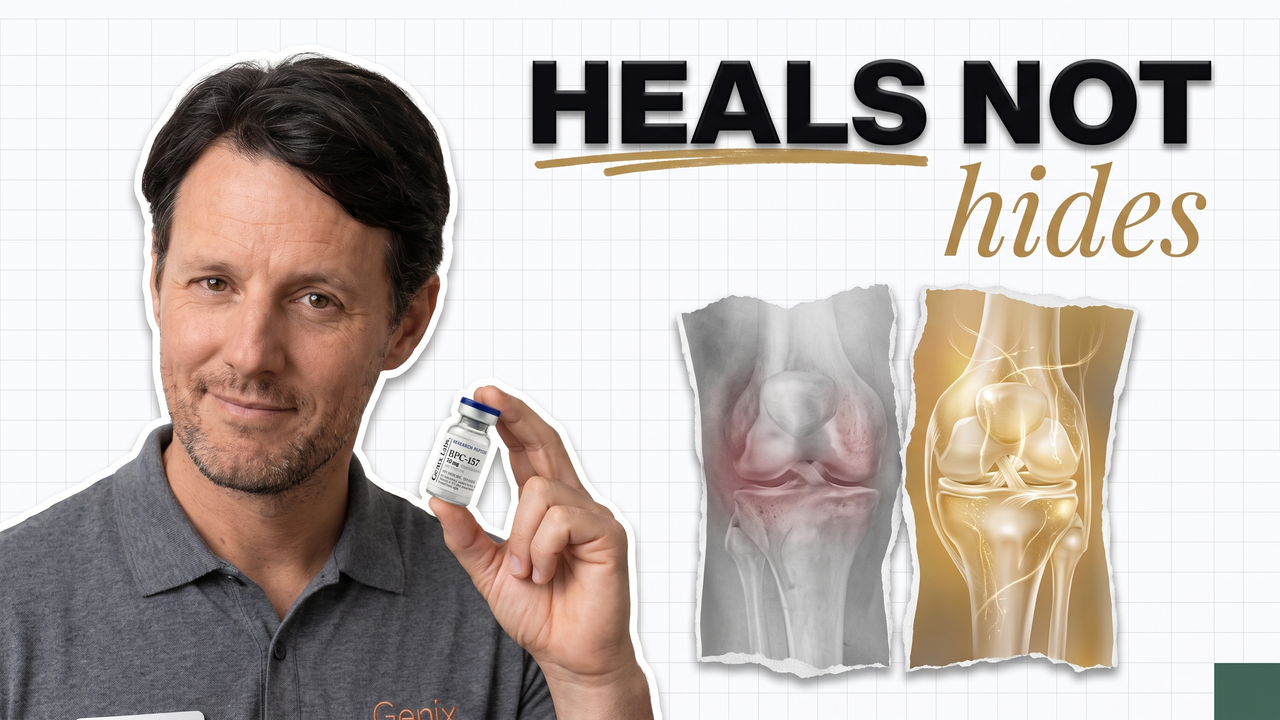
Peptides for Joint Pain: What the Research Actually Shows
BPC-157 is the most-studied research peptide for joints and tendons, but collagen peptides hold the human evidence. Here is which peptide does what, and the honest limits.
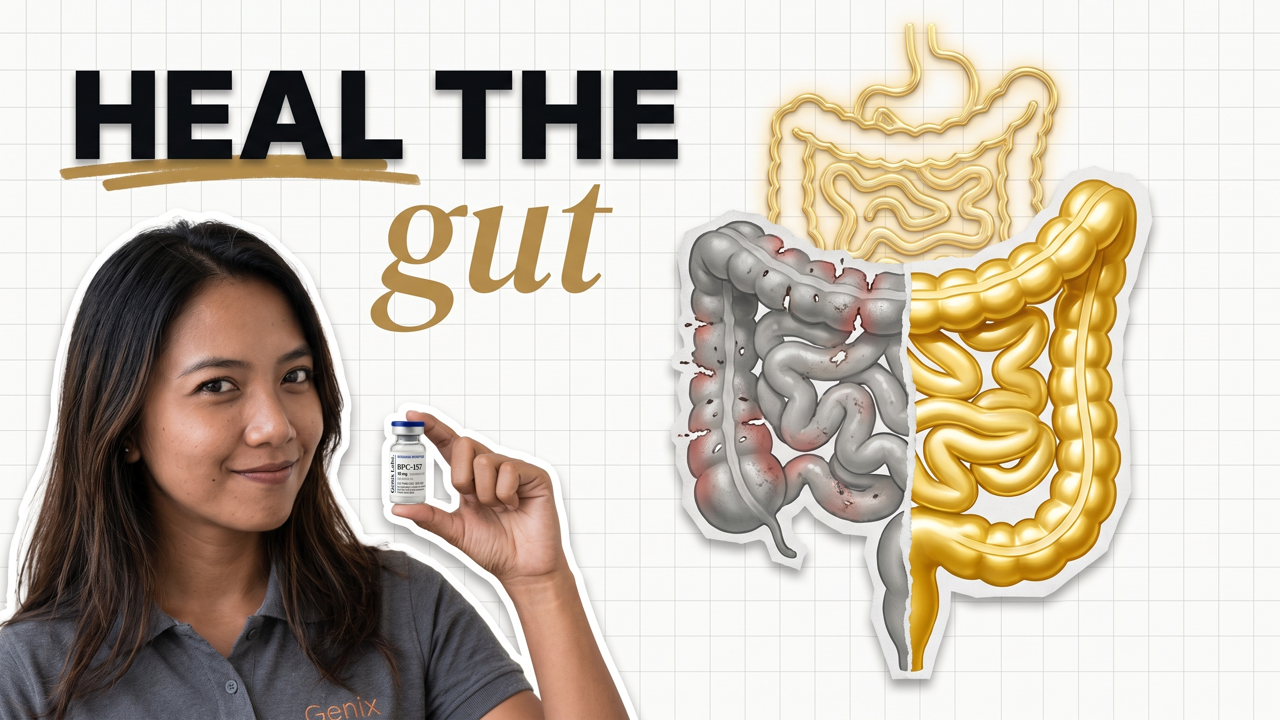
Peptides for Gut Health: What the Research Actually Supports
BPC-157 leads the field, studied for repairing the gut lining and calming irritation. Here is what the research really shows, which peptides matter, and the honest limits.
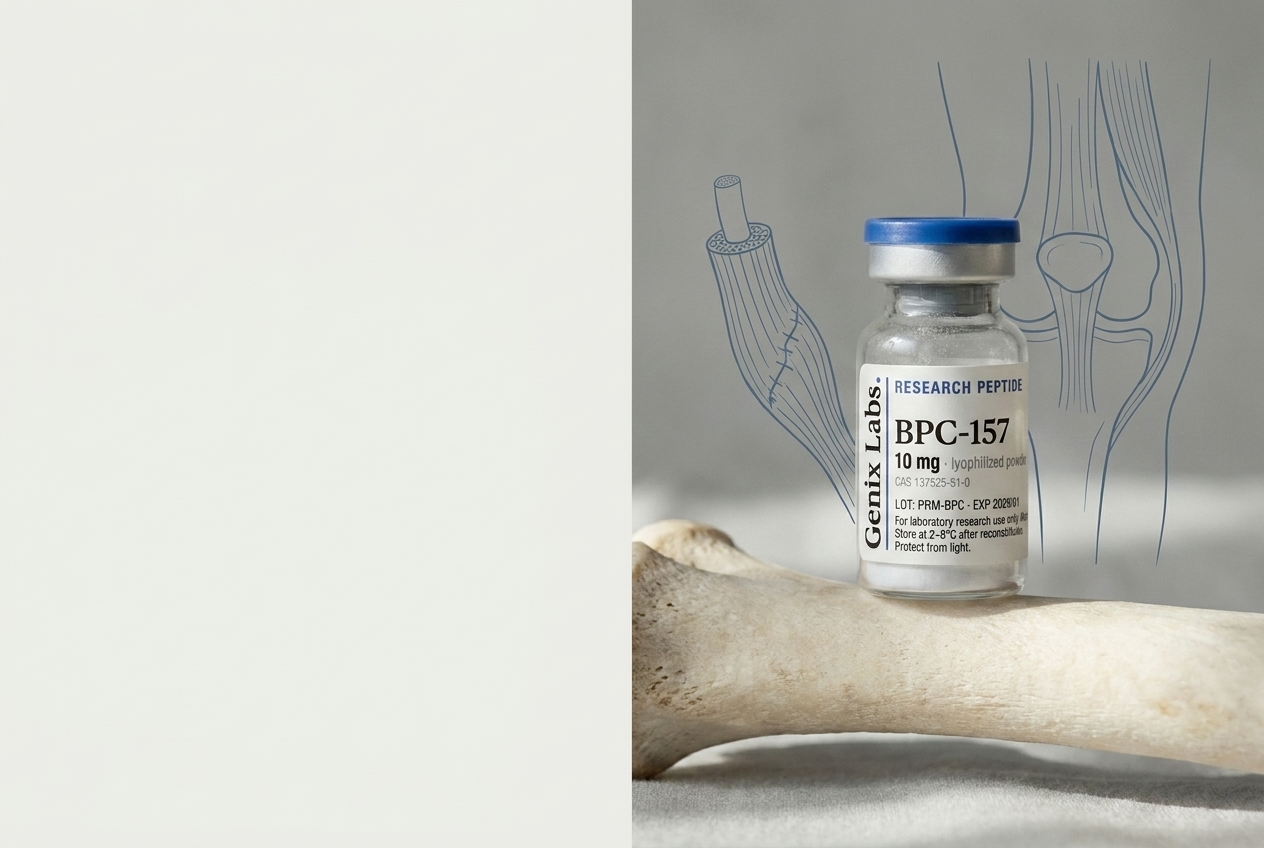
BPC-157: What It Is and How It Works
BPC-157 is the repair peptide people reach for when an injury will not settle. Here is the simple version.
BPC-157 Side Effects: What the Research Shows
BPC-157 is well tolerated in studies, but no peptide is risk-free. Here is the honest picture.
BPC-157 Benefits: What the Research Actually Shows
BPC-157 is the repair peptide people reach for. Here is what it is studied to help, and what to expect.
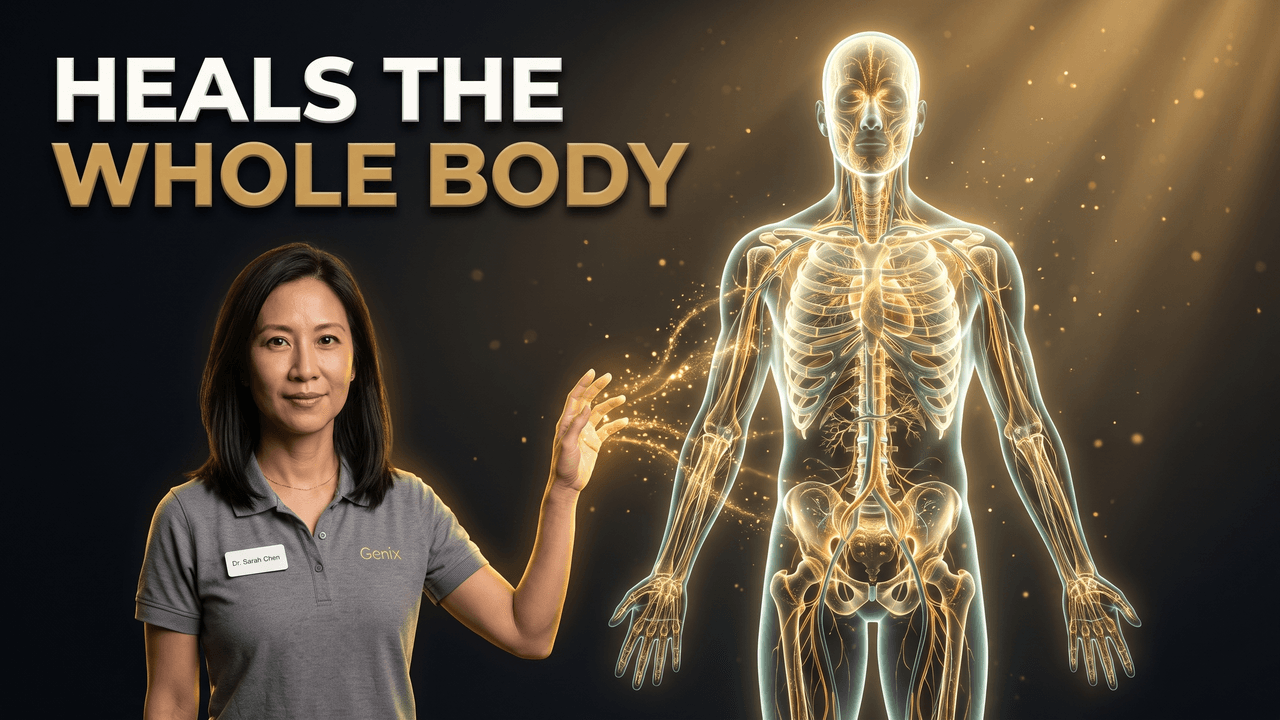
TB-500: The Systemic Recovery Peptide
The whole-body repair peptide people stack with BPC-157. Here is what it does, in plain words.
BPC-157 Dosing: What the Research Actually Shows
The vial does not come with a chart. Here is how BPC-157 dosing worked in research, in plain words.
KPV Peptide: Benefits, Uses, and Safety
KPV is the quiet anti-inflammatory peptide inside the best recovery stacks. Here is the plain-word guide.
KLOW vs GLOW: Which Peptide Blend Wins?
GLOW is the three-peptide skin-and-repair blend. KLOW is GLOW plus KPV. Here is what that fourth peptide adds, when each blend wins, and whether the premium is worth it.
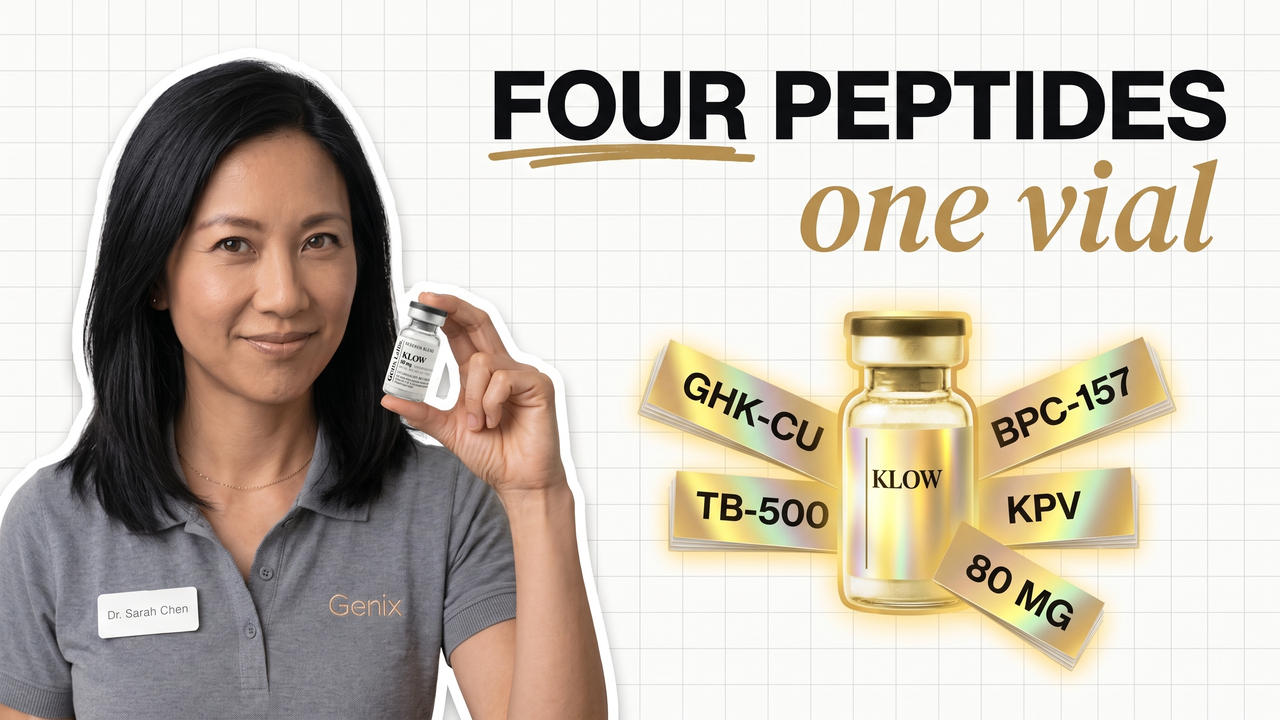
KLOW Peptide Dosing: A Plain Research Guide
What is inside the 80 mg blend, how to reconstitute it, the concentration math, and how long a vial lasts.
TB-500 Dosage: What the Research Actually Measured
Every TB-500 chart online quotes milligrams. Almost none say which molecule those milligrams are. Here is the real record.
TB-500 Benefits: Every Claim, Graded
Every guide prints the same benefit list. None of them says which claims belong to a 43 amino acid protein that is not TB-500, which came from mice, and which came from nowhere at all. Here is each one, graded.
TB-500 Side Effects: What Is Actually Recorded
Every page prints the same six side effects. None of them mentions that the only controlled human safety data in this topic comes from two phase I trials of a different, larger protein. Here is the real file.
Full Recovery Stack
Repair from every angle: BPC-157 with TB-500 for joints and tendons, MOTS-C for training energy, and NAD+ for cellular recovery.
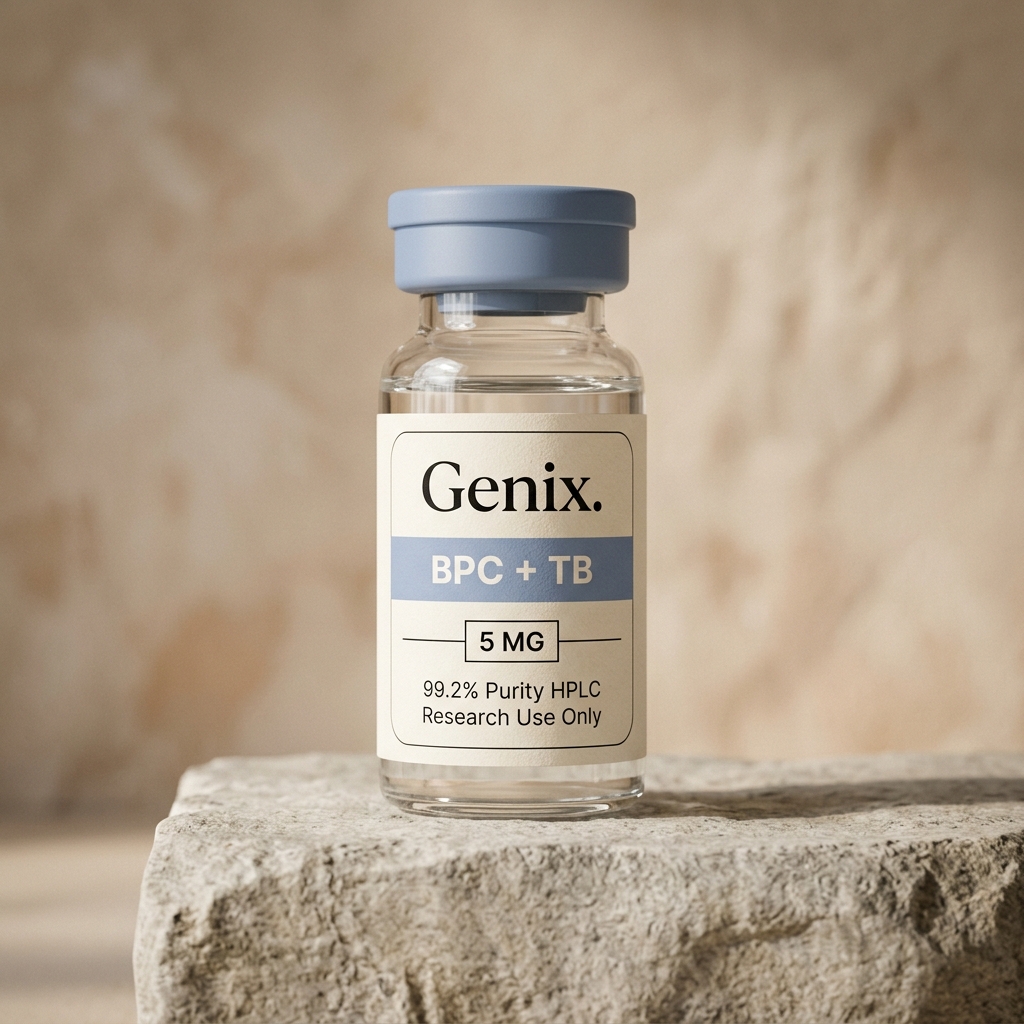 BPC-157
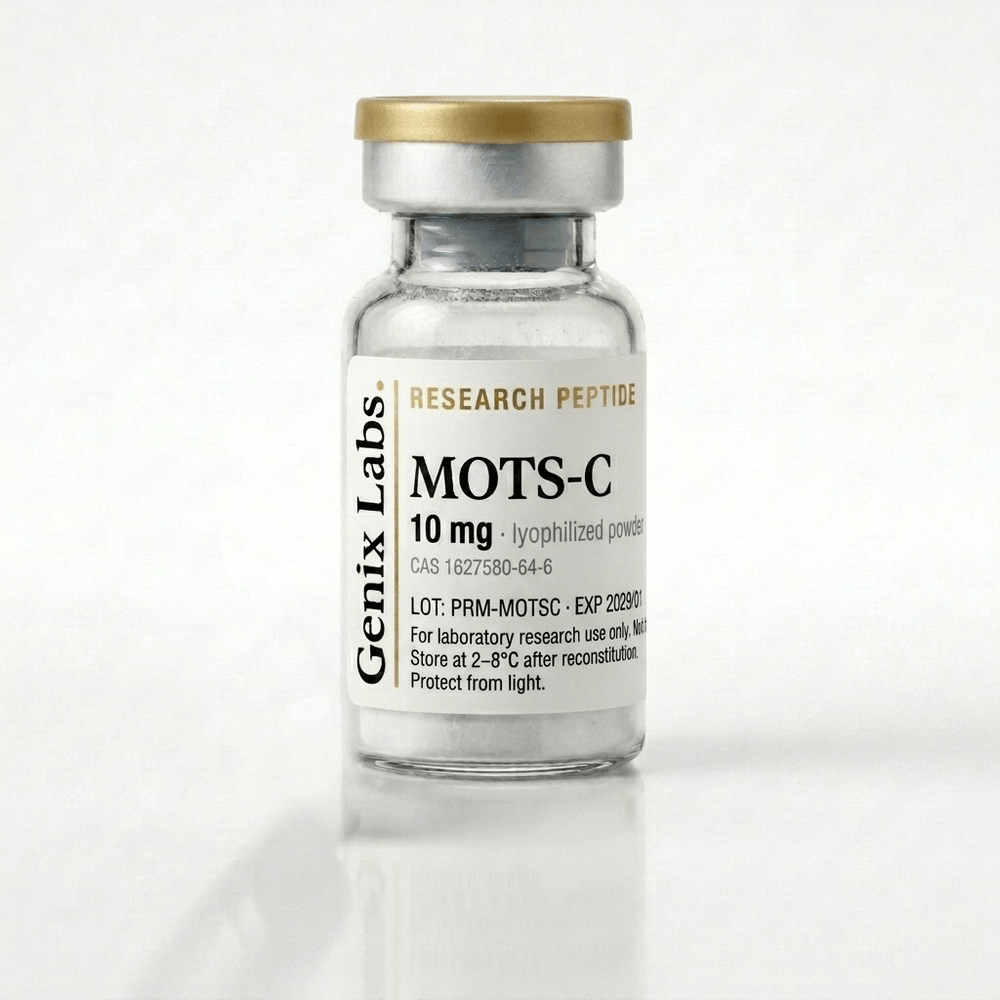 MOTS-C
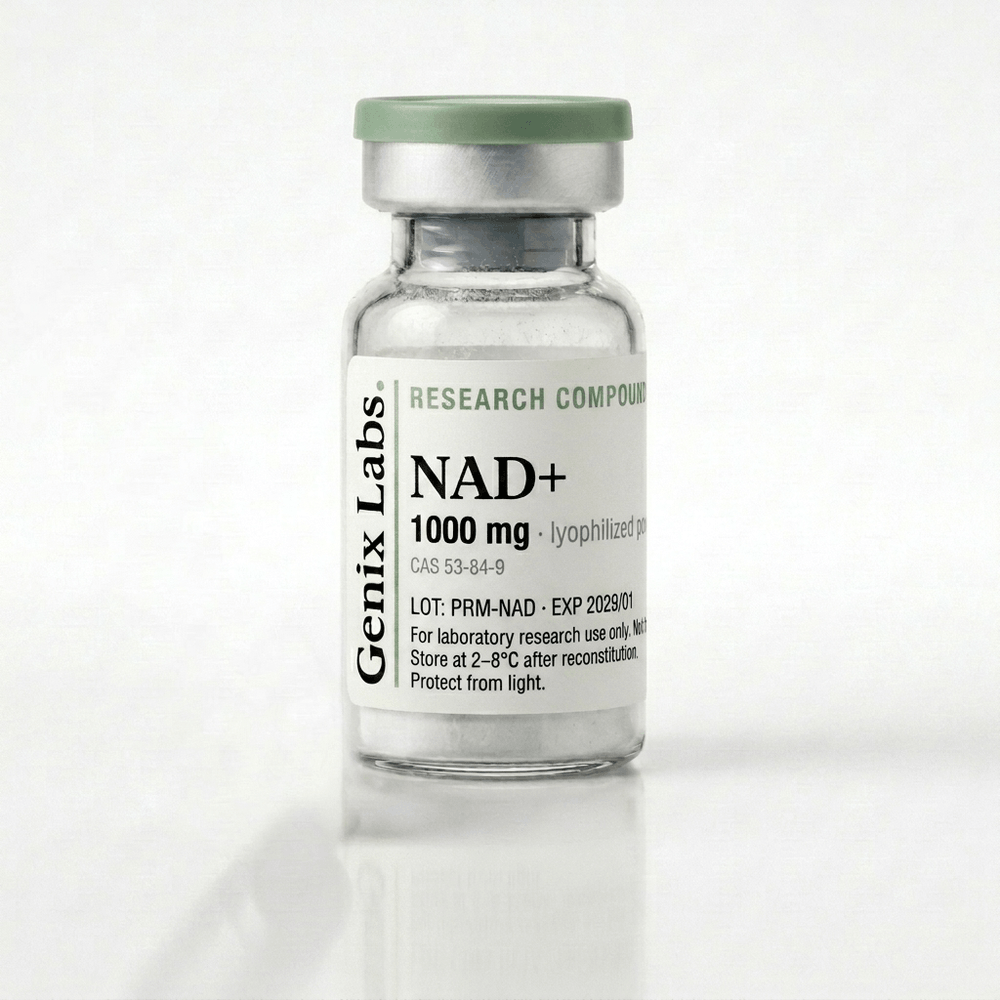 NAD+
Shop recovery & repair
Common questions
What is BPC-157 used for?
BPC-157 is a peptide studied for repairing tendons, joints, muscle, and the gut lining. People look at it when an injury will not settle. It is for research use only.
What is the difference between BPC-157 and TB-500?
BPC-157 works well on one specific area. TB-500 travels through the body for wider repair. Many people pair them, which is why blends like KLOW exist.

Everything you need to know about GLP-1 peptides for weight, in plain words.

Peptides studied for energy, sleep, skin, and healthy aging.

Peptides studied for focus, clarity, and brain fog, like Semax.
New to peptides? Start here. What they are, if they are legal, and how to store them.
Same-day, lab-tested peptides across Canggu, Seminyak, Ubud, Sanur, and Denpasar.