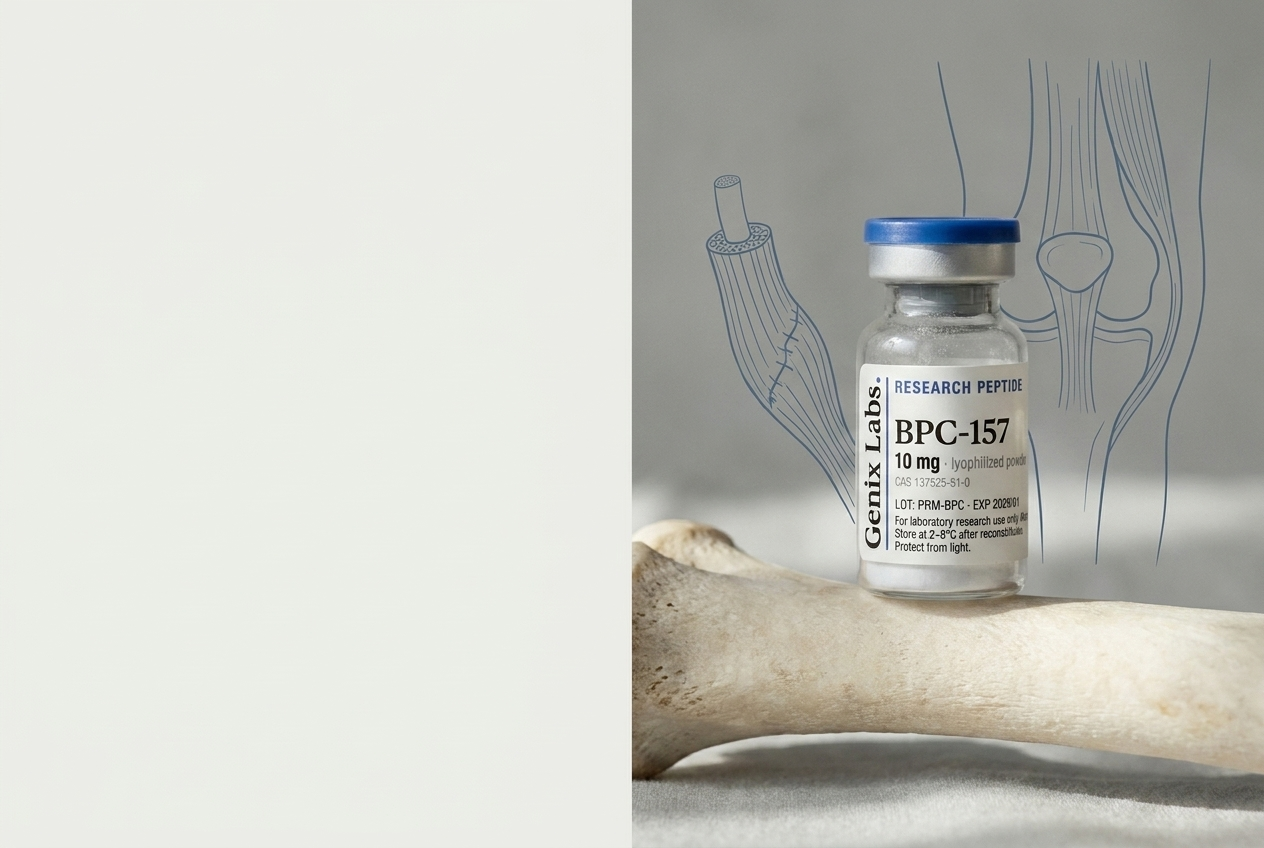
BPC-157 has a reputation for being gentle, and in research that mostly holds up. But no peptide is risk-free, and honest information is hard to find. This guide covers what studies and users report, the daily-use and heart questions, what not to mix, and the one risk that matters most.
The quick answer
In research, BPC-157 has been very well tolerated, with few reported side effects. The most common user reports are mild: nausea, headache, tiredness, or a sore injection site. The honest gap is long-term human safety data, which is still limited. It is for research use only.
What BPC-157 is, in one paragraph
BPC-157 is a peptide studied for repairing tendons, joints, muscle, and the gut lining. People reach for it when an injury keeps coming back. To understand side effects, it helps to know how it works, which we cover in BPC-157: What It Is and How It Works.
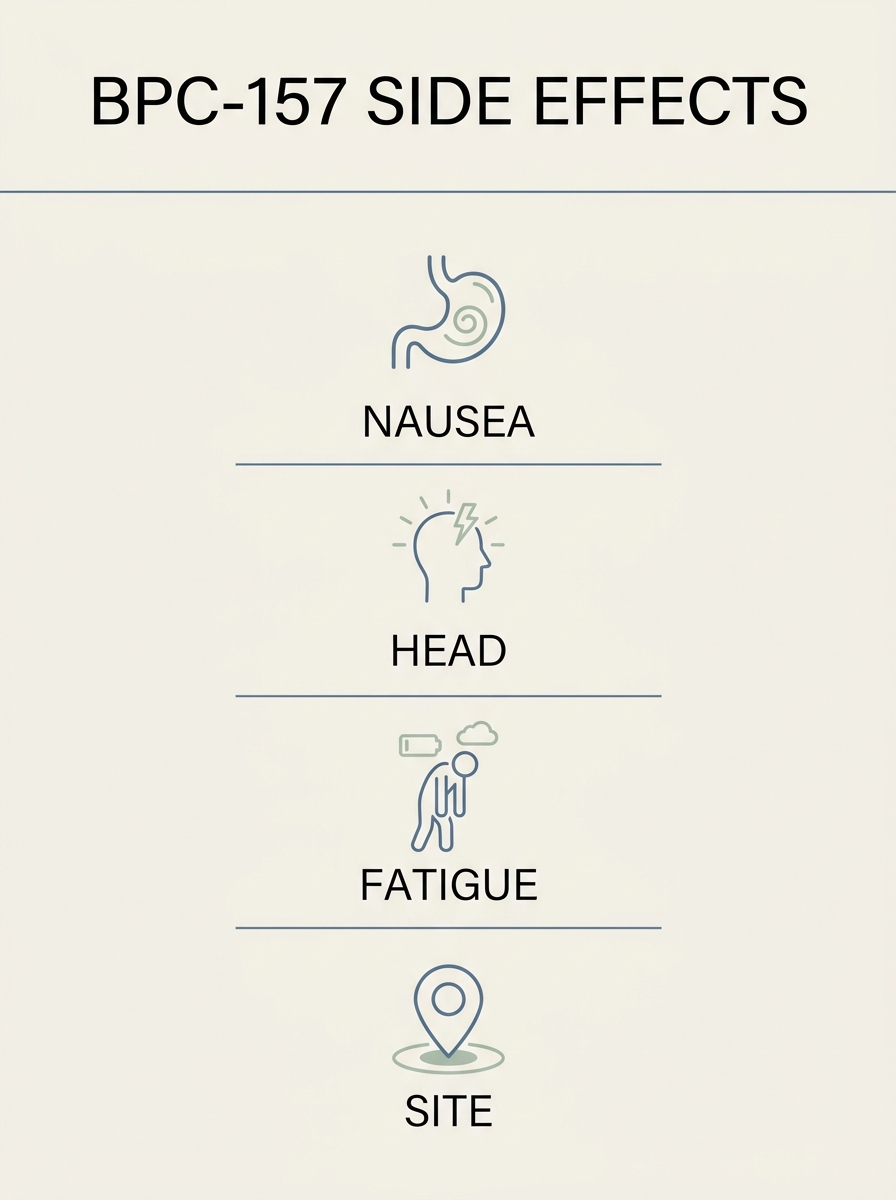
Common BPC-157 side effects
Most reported effects are mild and short-lived. They tend to fade as the body adjusts. Here is what users most often mention, alongside the honest note that formal human data is thin.
- Mild nausea, especially early on.
- Headache or a foggy feeling for a short time.
- Tiredness in the first days of a cycle.
- A sore or red spot at the injection site.
- Less often: dizziness, flushing, or loose stool.
What does the research say?
Most BPC-157 evidence comes from animal studies, where it was well tolerated even with regular dosing. Large, long human trials do not yet exist. So we can say it looks gentle in the research we have, while being honest that the long-term human picture is still open.
Is it bad to take BPC-157 every day?
In animal research, BPC-157 was well tolerated with daily use, and many user protocols run daily for a set cycle of four to six weeks. Long-term human safety data is still limited, so the honest answer is that we do not fully know. It is for research use only, not human use.
Is BPC-157 bad for the heart?
Some preclinical studies suggest BPC-157 may support blood vessels rather than harm them. But there is no strong human heart-safety data either way. Because it acts on blood vessels, anyone with a heart condition should be cautious and seek medical advice. It is for research use only.
What should you not mix with BPC-157?
There is little formal interaction research, so caution is the smart default. Because BPC-157 works on blood vessels and healing, people are careful around blood thinners. And mixing in any product of unknown quality is asking for trouble.
- Be careful combining it with blood thinners, since it affects blood vessels.
- Do not mix it with products of unknown quality or source.
- Keep stacks simple so you can tell what is doing what.
- This is general caution, not medical advice. Ask a doctor about your situation.
BPC-157 side effects in men and women
The research does not show a separate side-effect list for men and women. BPC-157 works on blood vessels and tissue repair, which is not sex-specific. Reported effects, like mild nausea or a sore site, look the same across both. There is no "female" or "male" version.
As always, anyone who is pregnant or breastfeeding should avoid it, since there is no safety data for that situation. This is general information, not medical advice.
Is BPC-157 bad for the kidneys or liver?
This is a common worry. In animal research, BPC-157 did not show clear kidney or liver harm, and some studies suggest it may even protect organs under stress. But there is no long-term human data, so no one can promise it is safe for these organs over years. It is for research use only.
The bigger organ risk in the real world is a contaminated vial, not the peptide. Junk mixed into a cheap product is what strains the liver and kidneys. Another reason a COA matters.
Oral vs injectable BPC-157: does it change safety?
BPC-157 comes as an injectable and as oral capsules. The oral form is often used for gut issues, since it acts locally in the digestive tract. The injectable form is the most studied. Neither form has large long-term human safety data yet.
| Form | Often used for | Safety notes |
|---|---|---|
| Injectable | Joints, tendons, muscle | Most researched, sore site possible |
| Oral capsule | Gut and digestion | Acts locally, gentle in reports |
What do users report on forums?
On places like Reddit, most long-term users describe BPC-157 as gentle, with few complaints beyond mild early nausea or a sore injection site. The most common regret is not a side effect. It is buying a fake or under-dosed vial that did nothing.
The real downside of peptides
Here is the part most side-effect articles skip. The biggest real-world risk with BPC-157 is not the molecule. It is the vial. Under-dosed, contaminated, or fake product causes far more problems than the peptide itself.
Who should avoid it?
Because long-term human data is limited, some people should be extra cautious. This is general information, not medical advice, and a doctor is the right person to ask about your own health.
- Have a known heart or blood-vessel condition.
- Take blood thinners or other daily medicine.
- Are pregnant or breastfeeding.
- Have an active cancer, where new tissue growth is a concern.
Why quality matters most
The single best way to lower your risk is to buy only lab-tested product. A certificate of analysis shows the batch was tested for purity by HPLC and identity by LC-MS, with a lot number that matches your vial. No COA, no buy.
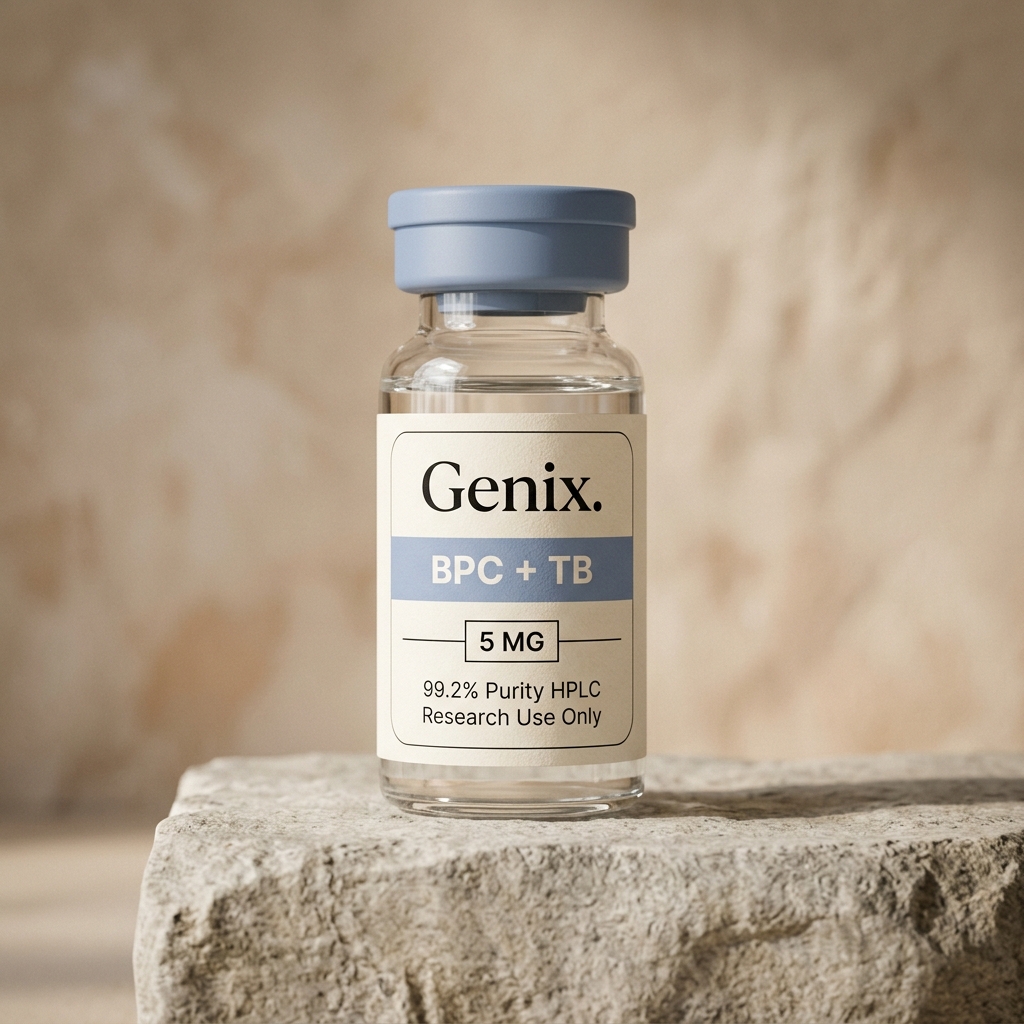
The repair peptide, paired with TB-500 for whole-body recovery. Purity of at least 99% by HPLC, LC-MS identity, and a batch COA in every order. From $89 (Rp 1.450.000). Research use only.
Shop lab-tested BPC-157Frequently asked questions
Is it bad to take BPC-157 every day?
In animal research, BPC-157 was well tolerated with daily use, and many user protocols run daily for a set cycle. Long-term human safety data is still limited, so the honest answer is that we do not fully know. It is for research use only, not human use.
Is BPC-157 bad for the heart?
Some preclinical studies suggest BPC-157 may support blood vessels rather than harm them, but there is no strong human heart-safety data either way. Anyone with a heart condition should be cautious and seek medical advice. BPC-157 is for research use only.
What should you not mix with BPC-157?
There is little formal interaction research. As a general caution, people avoid combining unknown compounds and are careful with blood thinners because BPC-157 affects blood vessels. Do not mix products of unknown quality. This is educational only, not medical advice.
What is the downside of taking peptides?
The main downsides are limited long-term human data and, in the real world, poor product quality. Under-dosed or contaminated vials cause more problems than the peptide itself. A certificate of analysis is your protection. These are for research use only.
How fast does BPC-157 kick in?
In user reports and early research, many people notice nagging pain start to ease within the first one to two weeks, with tissue getting steadily stronger over a four to six week cycle. It is a repair process, not a painkiller. Research use only.
Takeaway
BPC-157 looks gentle in the research we have, with mostly mild, short-lived effects like nausea or a sore site. The honest gap is limited long-term human data, so caution makes sense, especially around the heart and blood thinners. And remember: the biggest real risk is poor quality, not the peptide. Buy only COA-backed product, and know it is for research use only.